Mayada Bseliss
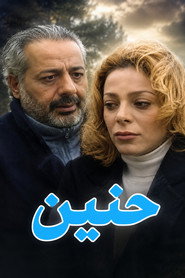
A Syrian singer celebrated for her distinctive voice, expressive performances, and contributions to Arabic music and television soundtracks. Born and raised in Aleppo, she demonstrated an early talent for singing and began performing at the age of nine through Aleppo Radio. Her musical upbringing included traditional Arabic songs and choral performances, which helped shape her vocal style and artistic development. Her professional career developed through a longstanding artistic partnership with Syrian composer and musician Samir Kwefati, whom she married in 1987. Together, they created numerous recordings that combined classical Arabic influences, traditional melodies, and contemporary musical arrangements. The couple had three daughters, Nour, Marah, and Nagham. She released her first album, "Ya Qatili Bil Hajr," in 1986, followed by several successful recordings, including "Khuliqti Jamila," "Bi Albi Fi Haki," "Haneen," and "Maryamiat." Among her best-known songs were "Kizbak Helou," "Ya Ghali," "Khallini Ala Qaddi," and "Haneen." Her work earned recognition at several Arab music festivals, including awards at the Syrian Song Festival and the Cairo music festival. She became particularly admired for her performances of television theme songs, contributing vocals to numerous Syrian productions, including "Brothers of the Soil," "Days of Anger," "Little Women," "Jawad Al-Layl," "Children of Oppression," "Haneen," and "Banat Al-Eila." Her performance of the theme for "Haneen" (2002), composed by Samir Kwefati, became one of her memorable contributions to Syrian television music. Beyond studio recordings, she performed at major concert venues and cultural festivals in Syria, Egypt, Spain, Tunisia, and the United States. Her repertoire ranged from contemporary Arabic songs to traditional compositions and devotional music, demonstrating her versatility as a vocalist. She passed away in Aleppo on March 17, 2021, following a battle with cancer. Her musical legacy includes numerous albums, concert performances, and television themes that remain associated with some of Syria's most recognized productions.