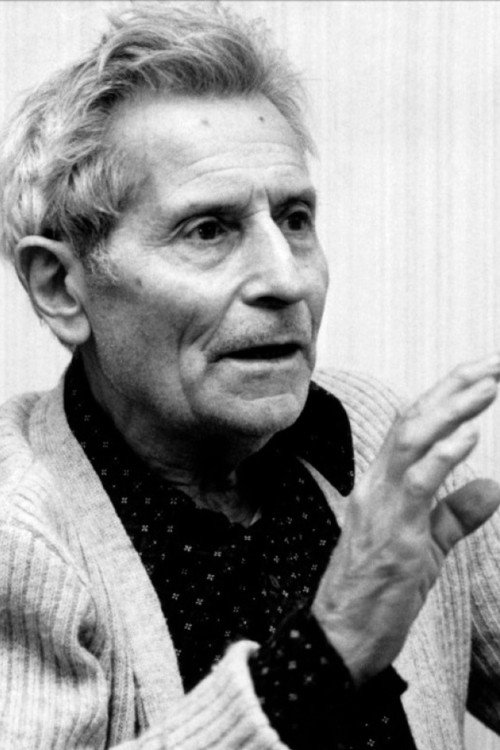
Georges Franju
Georges Franju was a French filmmaker. He was born in Fougères, Ille-et-Vilaine. Before working in French cinema, Franju had several different jobs. Franju was also briefly in the military in Algeria and was discharged in 1932. On his return, Franju studied to become a set designer and later created backdrops for music halls including Casino de Paris and the Folles Bergère. In the mid-thirties, Franju and Henri Langlois met through Franju's twin brother Jacques Franju. As well as creating the 16 mm short film Le Métro, Langlois and Franju also started a short-lived film magazine and created a film club called Le Cercle du Cinema with 500 francs he borrowed from Langlois' parents. The club showed silent films from their own collections followed by an informal debate about them amongst members. From Le Cercle du Cinema, Franju and Langlois founded the Cinématheque Française in 1936. Franju ceased to be closely related with the Cinématheque Française as early as 1938, and only became associated with it strongly again in the 1980s when he was appointed as the honorary artistic director of the Cinématheque. In 1949, Franju began work on a series of nine documentary films. The Nazi occupation of Paris and the industrialism following World War II influenced Franju's early works. With Head Against the Wall (French:La tête contre les murs) in 1958, Franju turned toward fiction feature films. His second feature was the horror film Eyes Without a Face (French:Les Yeux sans Visage) about a surgeon who tries to repair his daughter's ruined face by grafting on to it the faces of beautiful women. His 1963 film Judex was a tribute to the silent film serials Judex and Fantomas. In Franju's later years his film work became less frequent. Franju occasionally directed for television and in the late seventies he retired from filmmaking to preside over the Cinématheque Française. In her study of French cinema since the French new wave, Claire Clouzot described Franju's film style as "a poignant fantastic realism inherited from surrealism and Jean Painlevé science cinema, and influenced by the expressionism of Lang and Murnau". Franju's focus was on the visual aspect of filmmaking, which he claimed marked a director as an auteur. Franju claimed to "not have the story writing gift" and was focused on what he described as the "putting into form" of the film. Franju was also extremely influenced by surrealism. He used elements of surrealism and shock horror within his films in order to “awaken” his audience. Franju had a long history of friendship with well-known surrealists including Andre Breton, and the influence of this movement is extremely evident in his works. Franju uses these elements to link horror, history, and an ironic commentary on modernity’s ideal of progress. Franju is quoted as having said “It’s the bad combination, it’s the wrong synthesis, constantly being made by the eye as it looks around, that stops us from seeing everything as strange.” Description above from the Wikipedia article Georges Franju , licensed under CC-BY-SA, full list of contributors on Wikipedia.
Credits
Newest first Aznavour by Charlesas Self - Filmmaker (archive footage)2019
 The Story of French Fantasy Cinemaas Self (archive footage)2019
 Georges Franju - Le visionnaireas Self (archive footage)1998
- Franju, l'avion et la DSas Self1987
 Le Dernier MélodrameDirector1979
 La DiscordeDirector1978
 L'Homme sans visageDirector1975
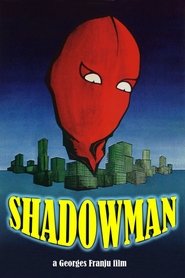 ShadowmanDirector1974
- ShadowmanOriginal Music Composer1974
 The Shadow LineDirector1973
- The Shadow LineWriter1973
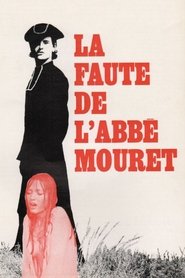 The Demise of Father MouretDirector1970
- The Demise of Father MouretScreenplay1970
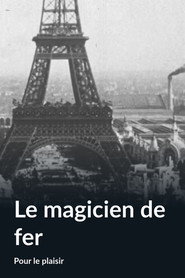 Le Magicien du ferDirector1967
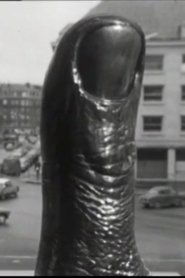 Amiens, Ville OuverteDirector1967
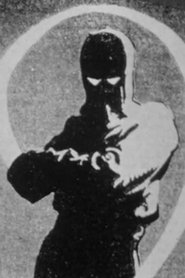 Rendez-vous avec Fantômasas Self1966
- Rendez-vous avec FantômasDirector1966
 The Moment of PeaceDirector1965
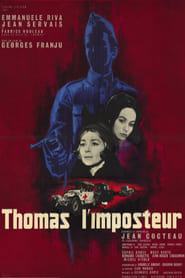 Thomas the ImpostorScenario Writer1965
- Thomas the ImpostorDirector1965
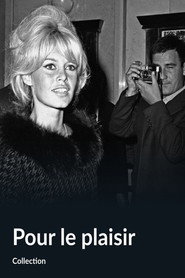 Pour le plaisiras Self1964
- Pour le plaisirDirector1964
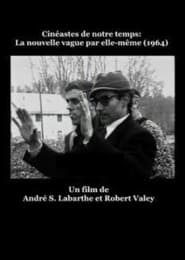 La Nouvelle Vague par elle-mêmeas Self1964
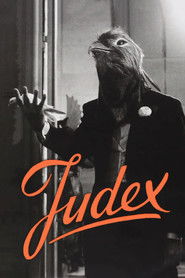 JudexDirector1963
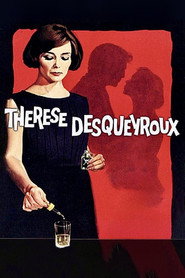 ThereseDirector1962
- ThereseWriter1962
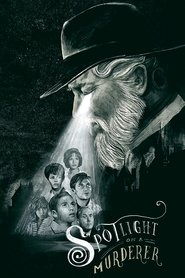 Spotlight on a MurdererDirector1961
- Spotlight on a MurdererWriter1961
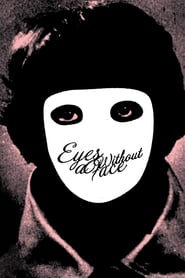 Eyes Without a FaceDirector1960
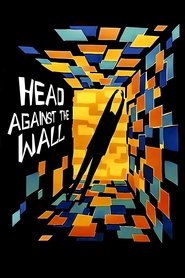 Head Against the WallDirector1959
- Head Against the WallAdaptation1959
 The First NightDirector1958
- The First NightAdaptation1958
 Notre Dame, cathédrale de ParisDirector1957
- Notre Dame, cathédrale de ParisWriter1957
 Le Théâtre National PopulaireDirector1956
- Le Théâtre National PopulaireScript1956
 Monsieur and Madame CurieDirector1956
 Cinépanoramaas Self1956
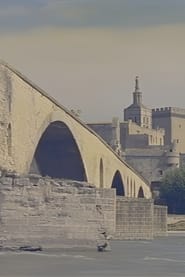 Sur le pont d’AvignonDirector1956
- Sur le pont d’AvignonWriter1956
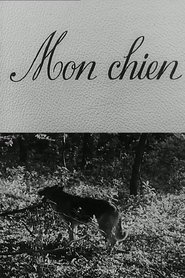 Mon chienDirector1955
- Mon chienScreenplay1955
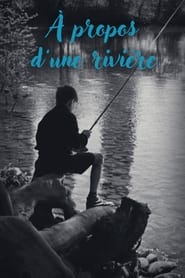 About a RiverWriter1955
- About a RiverDirector1955
- Navigation marchande atlantiqueDirector1954
 Dust of LifeDirector1953
- Dust of LifeWriter1953
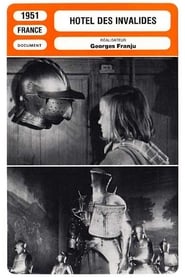 Hôtel des InvalidesDirector1952
- Hôtel des InvalidesWriter1952
 Le Grand MélièsDirector1952
- Le Grand MélièsScreenplay1952
 Passing through LorraineDirector1950
- Passing through LorraineWriter1950
 Blood of the BeastsDirector1949
- Blood of the BeastsWriter1949
 The MetroDirector1934