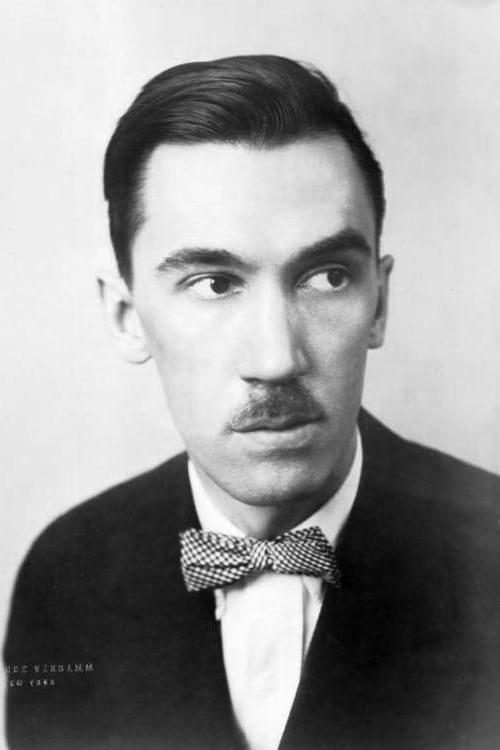
Robert E. Sherwood
From Wikipedia, the free encyclopedia Robert Emmet Sherwood (April 4, 1896 – November 14, 1955) was an American playwright, editor, and screenwriter. Born in 1896 in New Rochelle, New York, Robert was a son of Arthur Murray Sherwood, a rich stockbroker, and his wife, the former Rosina Emmet, a highly accomplished illustrator and portrait painter known as Rosina E. Sherwood. Sherwood's first Broadway play, The Road to Rome (1927), a comedy concerning Hannibal's botched invasion of Rome, introduced one of his favorite themes: the futility of war. Many of his later dramatic works employed variations of that motif, including Idiot's Delight (1936), which won Sherwood the first of four Pulitzer Prizes. According to legend, he once admitted to the gossip columnist Lucius Beebe, “The trouble with me is that I start with a big message and end up with nothing but good entertainment.” Sherwood's Broadway success soon attracted the attention of Hollywood; he began writing for the silver screen in 1926. While some of his work went uncredited, his films included many adaptations of his plays. He also collaborated with Alfred Hitchcock and Joan Harrison in writing the screenplay for Rebecca (1940). With Europe in the midst of World War II, Sherwood set aside his anti-war stance to support the fight against the Third Reich. His 1940 play about the Soviet Union's invasion of Finland, There Shall Be No Night, was produced by the Playwright's Company that he co-founded and starred Alfred Lunt, Lynn Fontanne, and Montgomery Clift. Sherwood publicly ridiculed isolationist Charles Lindbergh as a "Nazi with a Nazi's Olympian contempt for all democratic processes". After serving as Director of the Office of War Information from 1943 until the conclusion of the war, he returned to dramatic writing with the movie The Best Years of Our Lives, directed by William Wyler. The 1946 film, which explores changes in the lives of three servicemen after they return home from war, earned Sherwood an Academy Award for Best Screenplay. Sherwood died of a heart attack in New York City in 1955. A production of his final work, Small War on Murray Hill, debuted on Broadway at the Ethel Barrymore Theatre on January 3, 1957. Nearly four decades later, Sherwood was portrayed by actor Nick Cassavetes in Mrs. Parker and the Vicious Circle, a 1994 feature film about the Algonquin Round Table.
Credits
Newest first The Preacher's WifeOriginal Film Writer1996
 The Ten-Year Lunchas Himself (archive footage)1987
- A Ponte de WaterlooOriginal Story1967
 Abe Lincoln in IllinoisTheatre Play1964
 GabyTheatre Play1956
 The Petrified ForestTheatre Play1955
 Jupiter's DarlingTheatre Play1955
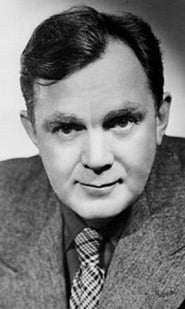 The Backbone of AmericaWriter1953
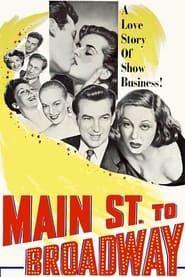 Main Street to BroadwayWriter1953
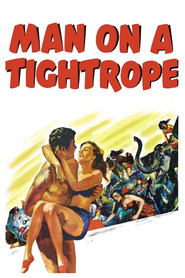 Man on a TightropeWriter1953
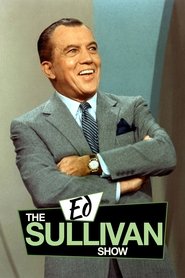 The Ed Sullivan Showas Self1948
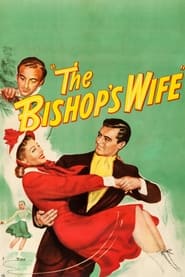 The Bishop's WifeScreenplay1947
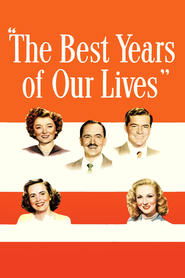 The Best Years of Our LivesScreenplay1946
- The Queen's HusbandWriter1946
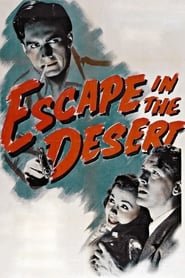 Escape in the DesertTheatre Play1945
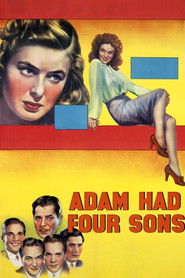 Adam Had Four SonsProducer1941
 Waterloo BridgeTheatre Play1940
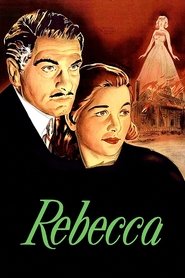 RebeccaScreenplay1940
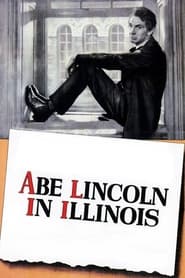 Abe Lincoln in IllinoisScreenplay1940
- Abe Lincoln in IllinoisTheatre Play1940
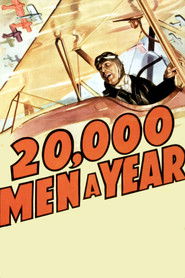 20,000 Men a Yearas Dispatcher1939
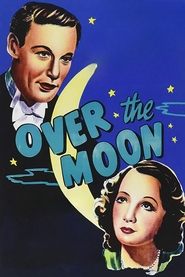 Over the MoonStory1939
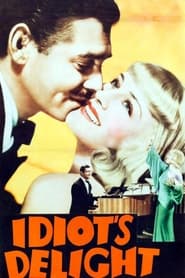 Idiot's DelightTheatre Play1939
- Idiot's DelightScreenplay1939
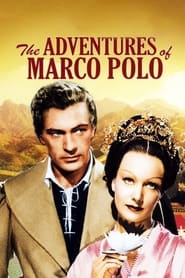 The Adventures of Marco PoloScreenplay1938
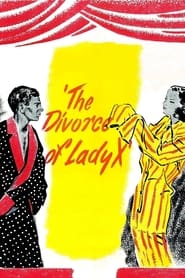 The Divorce of Lady XWriter1938
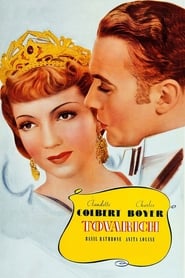 TovarichTheatre Play1937
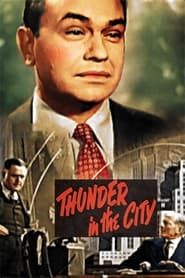 Thunder in the CityScreenplay1937
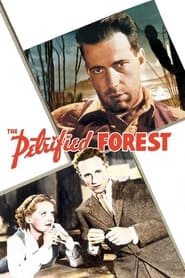 The Petrified ForestTheatre Play1936
 The Ghost Goes WestScreenplay1935
 The Scarlet PimpernelWriter1934
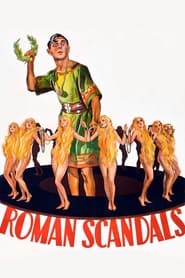 Roman ScandalsStory1933
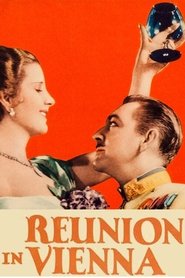 Reunion in ViennaTheatre Play1933
 Cock of the AirWriter1932
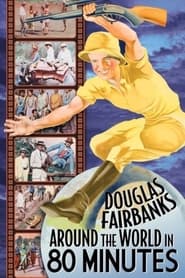 Around the World in 80 Minutes with Douglas FairbanksDialogue1931
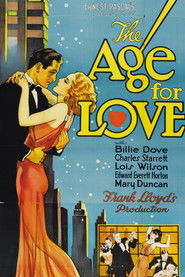 The Age for LoveDialogue1931
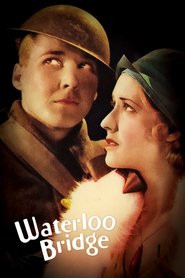 Waterloo BridgeTheatre Play1931
- North of NowhereEditor1927
- The Prince of WhalesTitle Graphics1927
- Hitting the TrailEditor1927
 Red Hot RailsWriter1926
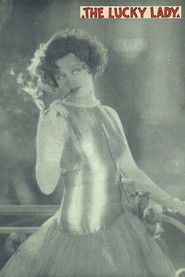 The Lucky LadyWriter1926
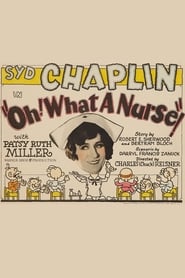 Oh! What a Nurse!Writer1926