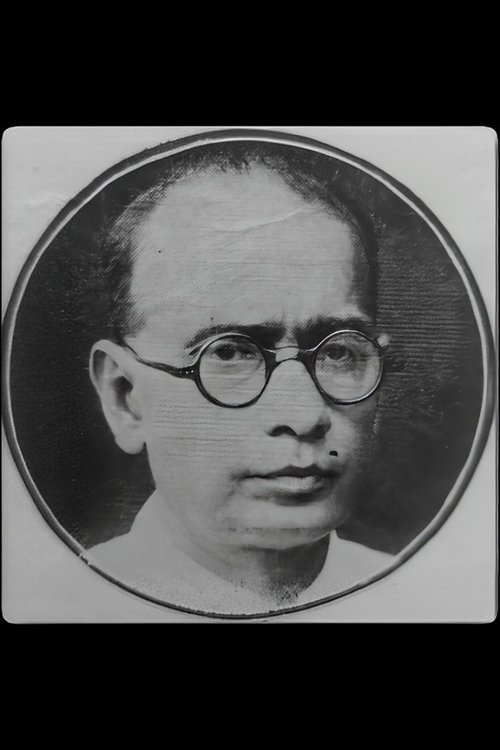
Jyotish Bandyopadhyay
Bengali and Hindi director born in Bihar. He started as a typist at Madan Theatres; and later became the studio’s main film-maker in the silent era. Part of a film-making team with Priyanath Ganguly, Jyotish Mukherjee, Amar Choudhury, B.J. Rajhans, Abdur Rehman Kabuli (later star of Indra Sabha, 1932) and cameramen Jyotish Sarkar and T. Marconi. Initially worked with Eugenio De Liguoro (Dhruva Charitra, Nala Damayanti, both 1921; Ramayana, 1922) and C. Legrand (Vishnu Avatar, 1921). Early films mainly adapted stage spectaculars from the Elphinstone and Corinthian companies. In his late 20s Silents, he adapted several novels by Bankimchandra Chattopadhyay owned by Madan Theatres. Also filmed are plays by Girish Ghosh and Rabindra Mohan Moitra and a novel by Romesh Chandra Dutt (Madhabi Kankan). These were early examples of the Bengali literary film genre later incarnated into a formula by New Theatres. Went on to make one of the most successful stage adaptations in the Bengali cinema, Manmoyee Girls’ School. Worked at Madan until 1933, then freelanced, notably at Radha Films, at Madan’s successors Bharatlaxmi Pics, and the Indrapuri Studio.
Credits
Newest first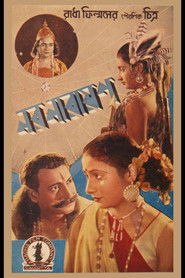 Nara NarayanaDirector1939
- Nara NarayanaScreenplay1939
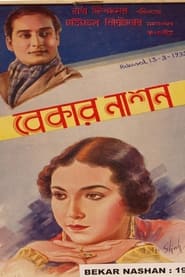 Bekar NashanDirector1938
- Bekar NashanScreenplay1938
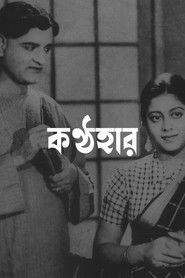 KanthaharDirector1935
- KanthaharScreenplay1935
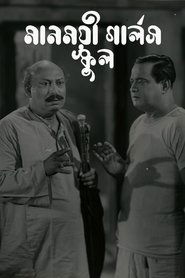 Manmoyee Girl's SchoolDirector1935
- Manmoyee Girl's SchoolScreenplay1935
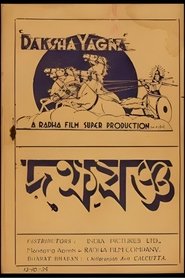 DakshayagnaDirector1934
- DakshayagnaScreenplay1934
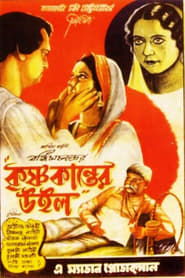 Krishnakanter WillDirector1932
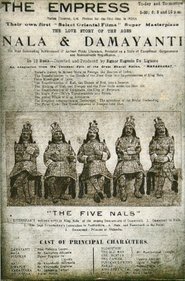 Nala & DamayantiAssistant Director1921
- Triumph of DevotionDirector1921