Roy Williams
From D23: In 1930, Roy Williams started his career at The Walt Disney Studios as an artist. He later became a storyman, until, after the advent of television, Walt Disney personally cast the “300 pounds of walking pixie” in a new role. As Roy later recalled, “Walt was in my office when suddenly, he looked up at me and said, ‘Say, you’re fat and funny looking. I’m going to put you on the Mickey Mouse Cluband call you the Big Mooseketeer!’” Roy, with his impish grin, became an instant favorite with children around the world. Born on July 30, 1907, in Colville, Washington, Roy grew up in Los Angeles. While attending Fremont High School, he learned to make people laugh with the outrageous cartoons he sketched. After high school he was offered a sports scholarship to the University of Southern California, but instead applied for a job at the up-and-coming Walt Disney Studios—and was personally hired by Walt. During those early years, Roy worked on nearly all of the animated shorts produced by the Studio; at the same time, he attended evening classes at Chouinard Art Institute. He moved to the story department after presenting a Donald Duck gag to Walt. In the gag, Donald swallowed a magnet and attracted every metal object imaginable. Walt was so impressed with Roy’s unbridled imagination that he tripled his salary. Roy E. Disney, former vice chairman of The Walt Disney Company, once recalled, “Roy was amazing. You’d ask him for gags for a situation and he’d give you literally hundreds of them.” As a story man, Roy contributed to such animated films as Saludos Amigos, The Three Caballeros, and Make Mine Music, while, as an artist, he contributed to the Silly Symphonies The Night Before Christmas, The China Shop, and many others. During World War II, he designed more than 100 insignias for the armed forces, including the award-winning Flying Tigers insignia. Roy is best known, however, for the four seasons he played “Big Roy” on the Mickey Mouse Club. He is also credited with designing the trademark ears worn by the show’s cast. His fun-loving nature and immense talent made him a perfect publicity representative for the company. On numerous occasions, Roy traveled across the country to promote the re-release of such films as Cinderella; in 1959, he served as goodwill ambassador for The Walt Disney Studios. Later, he worked as a Disney comic strip artist, cartoonist at Disneyland, and consultant on the traveling arena show “Disney on Parade.” Roy Williams passed away on November 7, 1976, in Burbank, California.
Credits
Newest first Fast GirlsScreenplay2012
 A Cowboy Needs a HorseStory1956
 Jack and Old MacStory1956
 Walt Disney's Where Do the Stories Come From?Writer1956
 The Mickey Mouse Clubas Self1955
 Music LandWriter1955
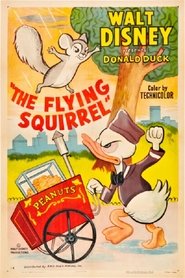 The Flying SquirrelStory1954
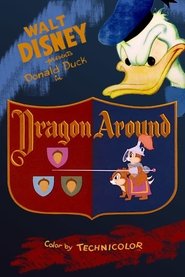 Dragon AroundStory1954
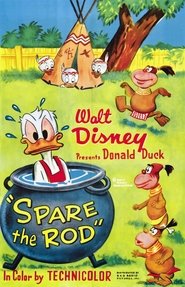 Spare the RodStory1954
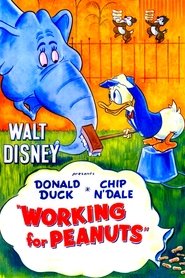 Working for PeanutsStory1953
 One Cab's FamilyWriter1952
 Car of TomorrowStory1951
 Trailer HornStory1950
 Crazy Over DaisyStory1950
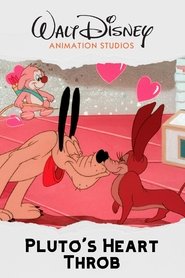 Pluto's Heart ThrobStory1950
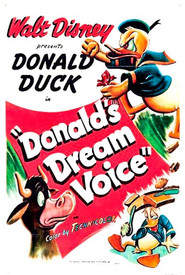 Donald's Dream VoiceStory1948
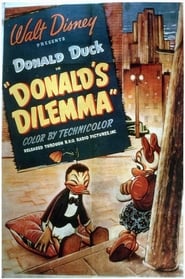 Donald's DilemmaStory1947
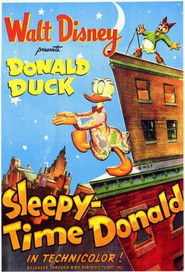 Sleepy Time DonaldStory1947
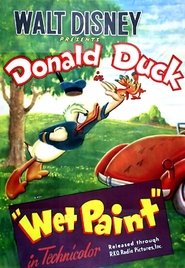 Wet PaintStory1946
 A Feather in His CollarWriter1946
 Make Mine MusicStory1946
 Donald's Double TroubleStory1946
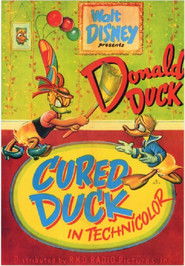 Cured DuckStory1945
 The Three CaballerosStory1944
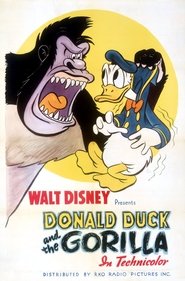 Donald Duck and the GorillaStory1944
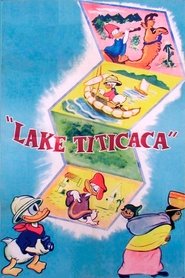 Lake TiticacaStory1942
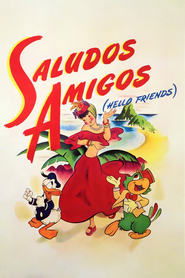 Saludos AmigosWriter1942
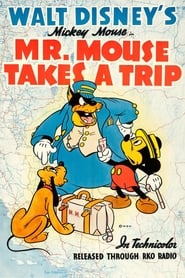 Mr. Mouse Takes a TripStory1940
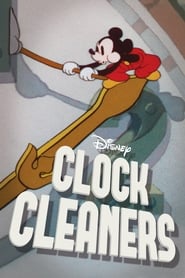 Clock CleanersStory1937
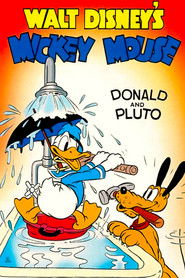 Donald and PlutoStory1936
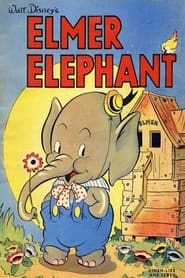 Elmer ElephantWriter1936
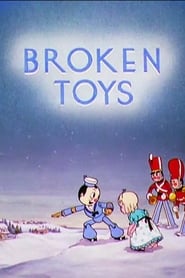 Broken ToysAssistant Director1935
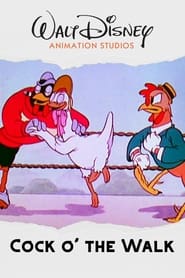 Cock o' the WalkAssistant Director1935
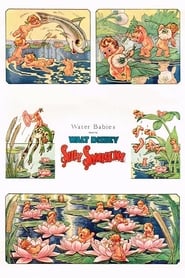 Water BabiesAnimation1935
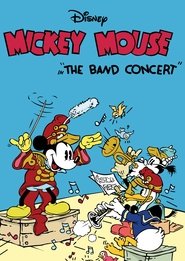 The Band ConcertAnimation1935
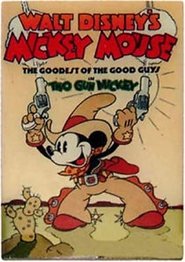 Two-Gun MickeyAnimation1934
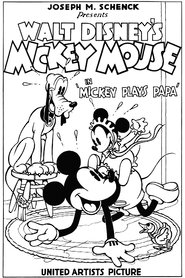 Mickey Plays PapaAnimation1934
 The Hot Choc-late SoldiersAnimation1934
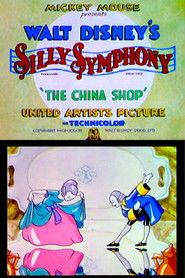 The China ShopAnimation1934
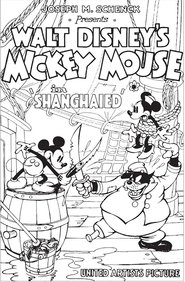 ShanghaiedAnimation1934
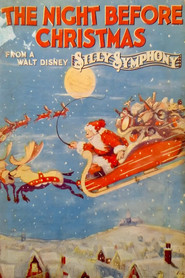 The Night Before ChristmasAnimation1933
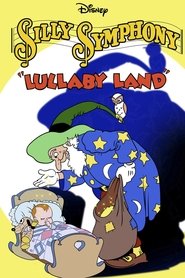 Lullaby LandAnimation1933
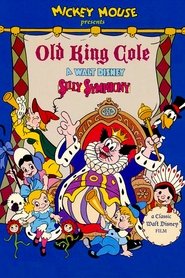 Old King ColeAnimation1933
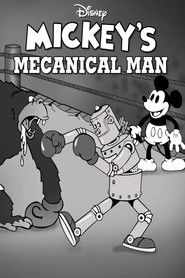 Mickey's Mechanical ManAnimation1933
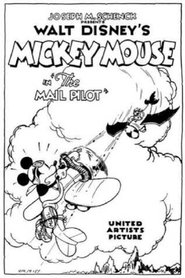 The Mail PilotAnimation1933
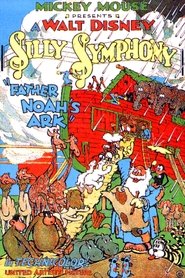 Father Noah's ArkAnimation1933
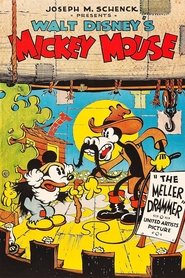 Mickey's MellerdrammerAnimation1933
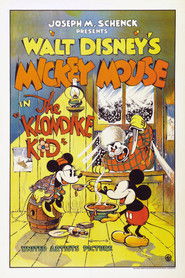 The Klondike KidAnimation1932