Edward Black
Edward Black (18 August 1900, Birmingham - 30 November 1948, London) was an English film producer, best known for being head of production at Gainsborough Studios in the late 1930s and early 1940s, during which time he oversaw production of the Gainsborough melodramas. He also produced such classic films as The Lady Vanishes (1938). Black has been called "one of the unsung heroes of the British film industry." Black was the third son of George Black, a property master at the Theatre Royal, Birmingham, who became a cinema owner. George Black died in 1910 and his sons Ted, George and Alfred built up the cinema to a circuit. In 1919 they sold this and set about building up another circuit. In 1928 they sold this too - to General Theatre Corporation (GTC). Gaumont British took over GTC and Black went to work for them. In 1928 he became a studio manager for Gainsborough Pictures. In 1930 he moved into production, and became an assistant production manager at Shepherd’s Bush and then studio manager at Islington. In 1935 he was associate producer on Tudor Rose (1936). He took over running of the Islington Studios. In December 1936, Michael Balcon left Gaumont-British for MGM. In March 1937 Shepherd’s Bush studios and Gaumont-British Distributors were closed. However Gainsborough continued as a production center thanks to a deal with C.M. Woolf and J. Arthur Rank’s General Film Distributors. Black was in charge along with Maurice Ostrer. They made movies for Gainsborough and 20th Century Fox. Black specialized in making comedies, thrillers and low-budget musicals. He had a lot of success making comedy vehicles for stars such as Will Hay and Arthur Askey. He also produced early films from Carol Reed and Alfred Hitchcock and was an early supporter of writer directors Sidney Gilliat and Frank Laundner. In the words of one writer, Black "held the studio together during its most difficult period, backed Laundner and Gilliat in establishing a strong script department, retained the services of some of the best cameramen in the business, and put under contract a number of promising actors." In the 1940s Black helped produce the first Gainsborough melodramas an enormously successful series of movies which made stars of James Mason, Stewart Granger and Phyllis Calvert, and increased the popularity of Margaret Lockwood. Black's relationship with Maurice Ostrer was not always easy and he also clashed with the Rank Organisation when they took over Gainsborough. In 1944 Black left Gainsborough to join Alexander Korda. Black died of lung cancer in November 1948, shortly after the premiere of his last film, the disastrous Bonnie Prince Charlie (1948).
Credits
Newest first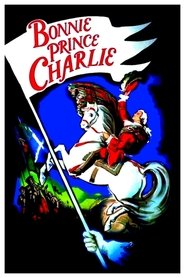 Bonnie Prince CharlieProducer1948
 Waterloo RoadProducer1945
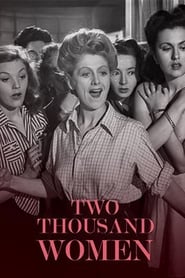 Two Thousand WomenProducer1944
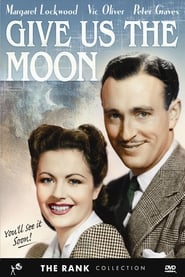 Give Us the MoonProducer1944
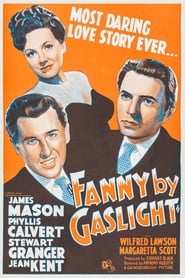 Fanny by GaslightProducer1944
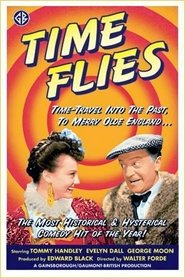 Time FliesProducer1944
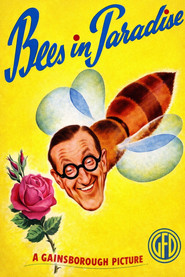 Bees in ParadiseProducer1944
- Dear OctopusProducer1943
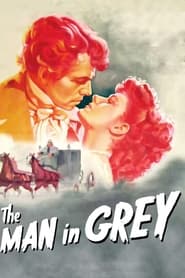 The Man in GreyProducer1943
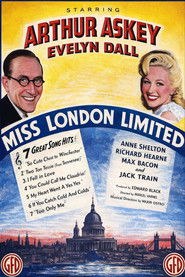 Miss London Ltd.Producer1943
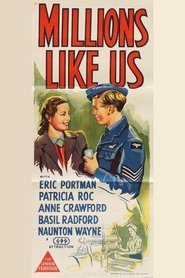 Millions Like UsProducer1943
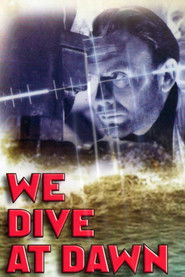 We Dive at DawnProducer1943
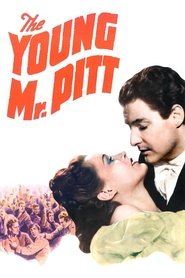 The Young Mr. PittProducer1942
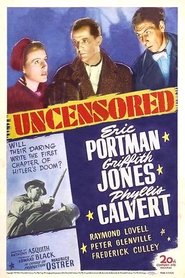 UncensoredProducer1942
- Partners in CrimeProducer1942
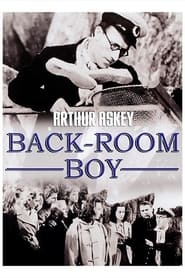 Back-Room BoyProducer1942
 Letter from HomeProducer1941
 Cottage to LetProducer1941
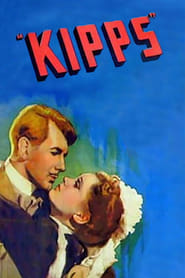 KippsProducer1941
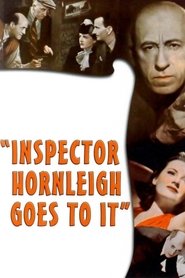 Inspector Hornleigh Goes to ItProducer1941
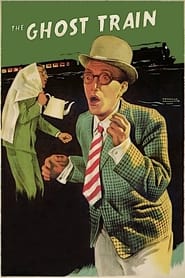 The Ghost TrainProducer1941
- Neutral PortProducer1940
 Night Train to MunichProducer1940
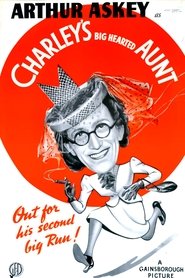 Charley's (Big-Hearted) AuntProducer1940
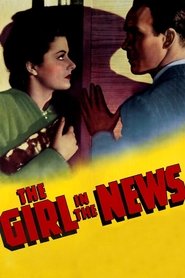 Girl in the NewsProducer1940
- For FreedomProducer1940
 They Came by NightProducer1940
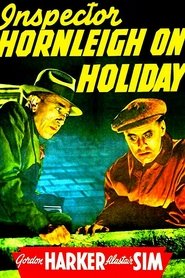 Inspector Hornleigh on HolidayProducer1939
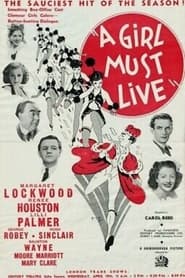 A Girl Must LiveProducer1939
 The Lady VanishesProducer1938
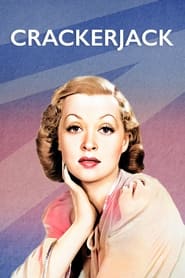 CrackerjackProducer1938
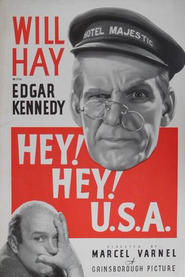 Hey! Hey! USAProducer1938
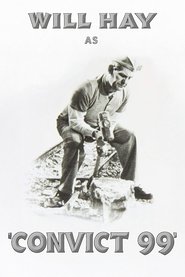 Convict 99Producer1938
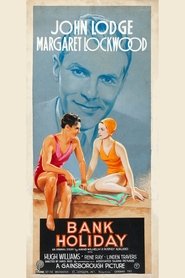 Bank HolidayProducer1938
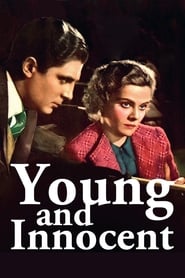 Young and InnocentProducer1937