
Manuel Guimarães
Manuel Guimarães (1915–1975) was a Portuguese filmmaker. In 1931, Guimarães studied painting in the School of Fine Arts in Oporto. He started to work in 1936 as a theater scenographer, illustrator and cartoonist, as well as a film poster designer. He became interested in cinematic art, and started out as assistant of directors as Manoel de Oliveira, António Lopes Ribeiro, Jorge Brum do Canto, Arthur Duarte and Armando de Miranda. In 1949, he directed the short documentary O Desterrado, a film about the life and craft of the Portuguese sculptor Soares dos Reis. Saltimbancos as his first feature-film, which is an adaptation of the novel Circo (Circus) of the writer Leão Penedo. The plot is centered on the life of a small travelling circus. Meanwhile, Guimarães worked in advertising in Metro Goldwyn-Mayer. In 1952, Manuel Guimarães directed Nazaré, whose script was written by the neo-realist writer Alves Redol, portraying the life of the fishermen from Nazaré. The film had several cuts caused by censorship. Vidas Sem Rumo (1956), script by Manuel Guimarães and dialogues by Alves Redol, suffered even worse cuts: about half of the film was cut and entire scenes were removed, becoming an almost unintelligible film. Being constantly attacked by the regime, Guimarães opted to direct more commercial movies about sport events, since 1956. In his attempt to return to fiction, (A Costureirinha da Sé – 1958) Manuel had to accept product placement in the film. His next works were essentially documentaries promoting Portuguese towns and products. António da Cunha Telles, who meanwhile began to produce the first films of the Portuguese Cinema Novo (New Cinema), became interested in him and accepted to do an executive production and co-production of two of his next films: O Crime da Aldeia Velha (1964), an adaptation of a Bernardo Santareno play and O trigo e o Joio (1965) based in the book with the same name, by Fernando Namora, who wrote the script as well. However, the public preferred a different kind of cinema, more entertaining, and Guimarães turn again to art documentary. Manuel Guimarães had some periods where he returned to illustration and graphic works in newspapers and other publications and continued painting, specially in the end of his life, but without any public expression. The 25 de Abril brought him hope, but it was too late. Ill, Manuel Guimarães couldn't end his last film, Cântico Final, adapted from the novel with the same name wrote by Virgílio Ferreira. The film was ended by his son, Dórdio Guimarães.
Credits
Newest first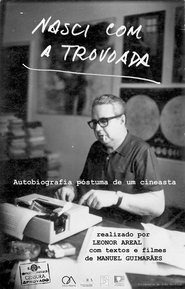 Born with a Thunderstorm2017
 Prefácio a Vergílio FerreiraProducer1975
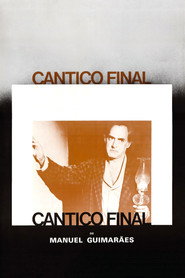 Cântico FinalProducer1975
- Cântico FinalEditor1975
- Cântico FinalScreenplay1975
- Cântico FinalDirector1975
 Areia Mar - Mar AreiaDirector1973
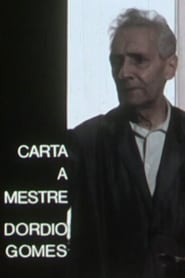 Carta a Mestre Dórdio GomesDirector1971
 ResendeDirector1970
 António DuarteEditor1969
 Expressos Lisboa - MadridDirector1969
- António DuarteDirector1969
- A Terra e o HomemDirector1969
 Tráfego e EstivaEditor1968
- Tráfego e EstivaDirector1968
 O Ritmo na VidaDirector1968
 Artes GráficasDirector1967
 O Porto, Escola de ArtistasDirector1967
 Ensino das Belas-ArtesDirector1967
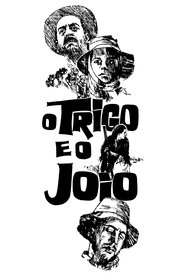 The Wheat and the TaresDirector1965
- The Wheat and the TaresProducer1965
- The Wheat and the TaresEditor1965
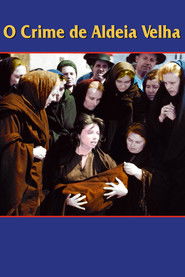 The Crime of Aldeia VelhaDirector1964
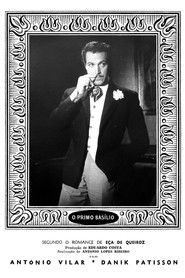 O Primo BasílioAssistant Director1959
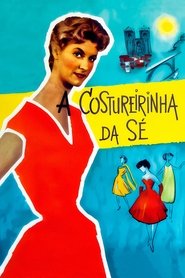 My Little SeamstressProducer1959
- My Little SeamstressEditor1959
- My Little SeamstressProduction Design1959
- My Little SeamstressDirector1959
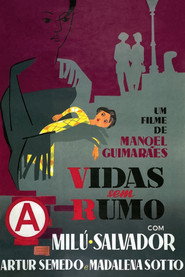 Vidas sem RumoDirector1956
- Vidas sem RumoScreenplay1956
 NazaréDirector1952
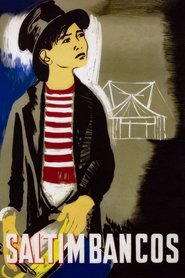 The CircusProducer1951
- The CircusDirector1951
- The CircusProduction Design1951
- The CircusScreenplay1951
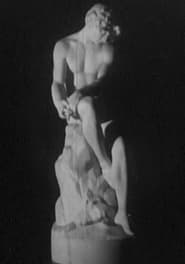 O Desterrado - Vida e Obra de Soares dos ReisDirector1950
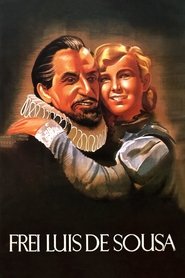 Frei Luís de SousaAssistant Director1950
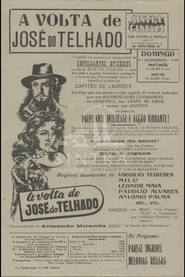 The Return of José do TelhadoWriter1949
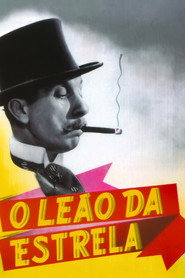 The Lion from EstrelaAssistant Director1947
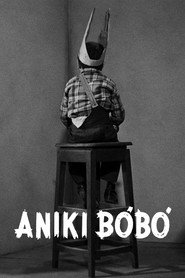 Aniki-BóbóAssistant Director1942
- Aniki-BóbóProduction Assistant1942
 Lotação EsgotadaDirector—