Don Owen
Don Owen (September 19, 1931 – February 21, 2016) was a Canadian film director, writer and producer who spent most of his career with the National Film Board of Canada (NFB). His films Nobody Waved Good-bye and The Ernie Game are regarded as two of the most significant English Canadian films of the 1960s. Owen was born and raised in Toronto and became interested in film at a young age, mainly, he said, because there was nothing to do on Sundays but go to the two films shown by the Toronto Film Society. He intended to become a poet but studied anthropology at the University of Toronto. To earn extra money while he was working on his graduate degree, he got a job as assistant director on the Sidney J. Furie film A Cool Sound from Hell. He worked as a stagehand and writer at the CBC and then landed the job of assistant director to NFB director Don Haldane, who was shooting a film called One Man in Muskoka. Both Haldane and the film’s cinematographer Donald Wilder suggested that he apply to the NFB. This necessitated moving to Montreal and Owen was keen to leave Toronto. Wilder pulled some strings and the NFB hired Owen in 1962. Owen was hired as a writer, but was put on camera work for the film À St-Henri le cinq septembre (September Five at Saint-Henri). He was taken under the wing of producer Tom Daly and became part of the NFB’s storied Unit B. Owen suggested that he create a film about the Olympic runner Bruce Kidd; Daly approved it and the result was the critically-acclaimed Runner (with the narration written by W. H. Auden and voiced by Don Francks[3]). Runner was innovative and mesmerizing and, from then on, Owen was a full-time director. Because Owen was very vocal about what he saw was Toronto’s boring, uptight Anglicism, he was chosen to make a film that “would make Toronto look interesting”. He gathered together the most eccentric musicians he knew and made the brilliant Toronto Jazz. By now, Owen had developed a reputation for being ‘’difficult’’. Bruce Kidd reported that his perfectionism was exhausting but, more importantly, the NFB was a government organization, and films were produced with a team approach. Owen did not always toe the line; he believed that it was important for filmmakers to “take chances”, “go out on a limb” and then have the courage to stand behind their work.
Credits
Newest first Crimes of the Future1984
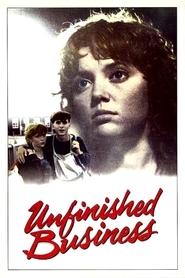 Unfinished BusinessDirector1984
- Unfinished BusinessWriter1984
 HolsteinEditor1978
- HolsteinDirector1978
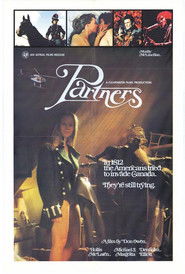 PartnersWriter1976
- PartnersProducer1976
- PartnersDirector1976
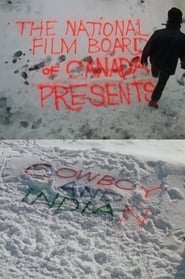 Cowboy and IndianDirector1972
- Cowboy and IndianEditor1972
 The Ernie GameDirector1968
- The Ernie GameScreenplay1968
 Creative Person: Leonard CohenDirector1967
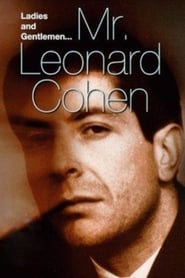 Ladies and Gentlemen, Mr. Leonard CohenDirector1966
 Notes for a Film About Donna & GailDirector1966
- Notes for a Film About Donna & GailWriter1966
 A Further Glimpse of JoeyDirector1966
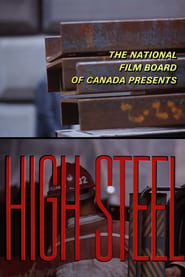 High SteelDirector1965
- High SteelEditor1965
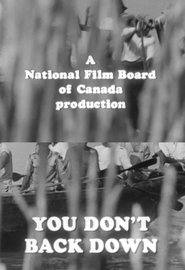 You Don't Back DownDirector1965
- High SteelWriter1965
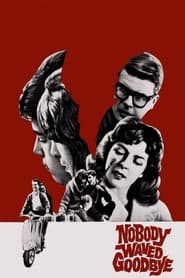 Nobody Waved GoodbyeDirector1964
- Nobody Waved GoodbyeProducer1964
- Nobody Waved GoodbyeWriter1964
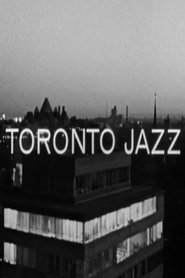 Toronto JazzDirector1963
- Toronto JazzEditor1963
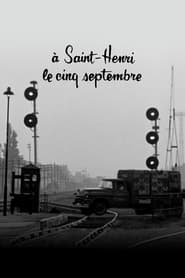 September Five at Saint-HenriDirector of Photography1962
- RunnerDirector1962
- RunnerWriter1962
- RunnerEditor1962